
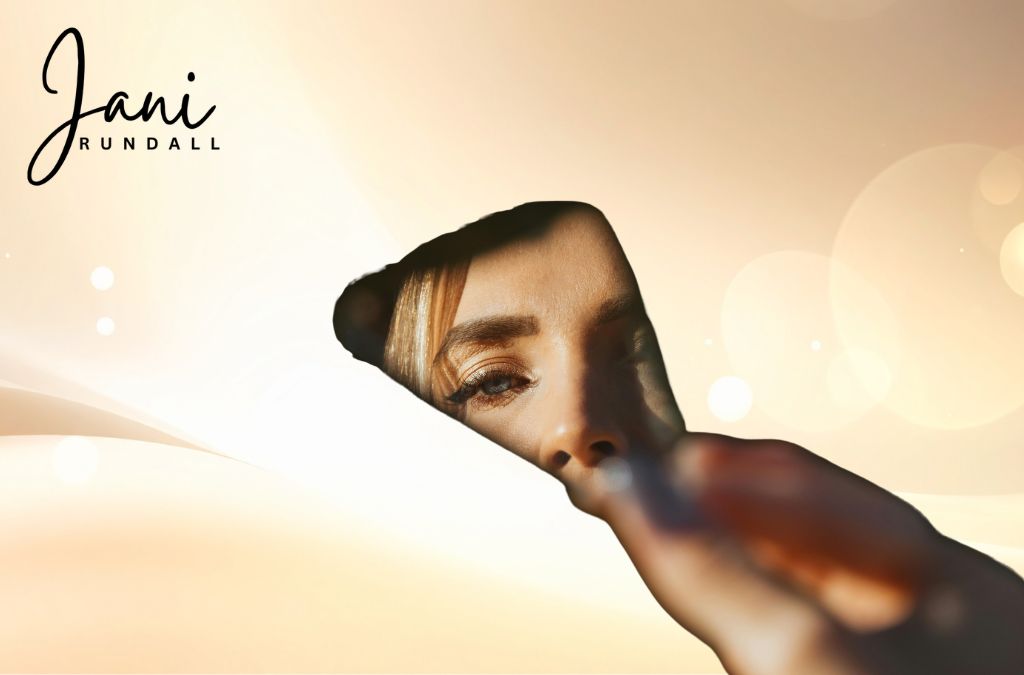
There’s a question that comes up quietly in midlife, underneath everything else…
Who am I now?
Not dramatically. Not in a way that announces itself. Just a low, persistent sense that the version of yourself you understood… the one built around certain roles, certain capacities, certain ways of moving through the world… doesn’t quite fit the way it used to.
That disorientation is real. And it’s more common than most people are told.
Why identity destabilises in midlife
Identity isn’t fixed. It’s an ongoing process; a running story we tell ourselves about who we are, based on the roles we hold, the capacities we have, and the way we’ve learned to make sense of our experience.
In midlife, several things shift at once. Roles change… children grow up, careers evolve, relationships transform. The body changes in ways that affect energy, focus, and emotional range. And for many women, the neurological and hormonal shifts of perimenopause directly affect the brain’s capacity to maintain the self-concept they’ve built.
Estrogen plays a significant role in mood regulation, cognitive flexibility, and emotional processing. When it fluctuates and declines, it doesn’t just change how you feel physically, it changes how the brain processes who you are.
This isn’t a crisis. But it can feel like one, especially when nobody has explained what’s happening.
The ADHD layer in identity
For women with ADHD, identity has often been built on a more precarious foundation than it appeared from the outside.
Many spent years, sometimes decades, compensating. Masking. Building elaborate systems to appear consistent, capable, and organised in ways that didn’t come naturally. The identity that emerged from that effort was real, but it was also exhausting to maintain.
When perimenopause reduces the neurochemical resources that made that compensation possible, the systems start to slip. And with them, sometimes, goes the sense of self that was built on top of them.
That’s disorienting in a way that’s hard to explain to someone who hasn’t experienced it. It’s not just that things are harder. It’s that the version of yourself you thought you were is suddenly less accessible.
What’s worth knowing is this: the identity that’s becoming less accessible often wasn’t the most authentic version anyway. It was the version built to cope.
Losing roles, energy, certainty
Three things tend to feel most destabilising at this intersection…
Roles. The identities we carry around our function; as a parent, a professional, a caregiver, a person who manages everything, can shift or end. When a role that defined you changes, the question of who you are without it becomes unavoidable.
Energy. Many women describe a grief for their former energy. The capacity to do more, manage more, hold more. That loss is real. And it changes what’s possible, which changes how you see yourself.
Certainty. Perhaps most quietly, there’s a loss of the confidence that used to come automatically. The sense of knowing how you were going to show up in any given situation. That certainty can go underground during this period, and its absence is unsettling.
All three of these are losses worth acknowledging. And all three are also, with time and the right framing, invitations.
Recalibration, not decline
The frame that tends to help most is this: what’s falling away is making space.
The roles that no longer fit, the coping strategies that have become unsustainable, the version of yourself built on compensation rather than genuine expression; these things loosening isn’t loss in the terminal sense. It’s the beginning of a recalibration.
Women who come through this period with a stronger sense of self than they had before consistently describe a similar shift: they stopped trying to get back to who they were, and started getting curious about who they were becoming.
That’s not a platitude. It’s a practical reorientation. The question ‘what’s wrong with me?’ leads in one direction. The question ‘what is this making room for?’ leads somewhere else entirely.
The uncertainty of this season is real. The disorientation is real. And you’re allowed to take as long as you need with it.
But you’re not becoming less. You’re becoming more honest. More stripped back. More genuinely yourself, once the versions built for survival have had permission to rest.
What part of yourself is asking for more space right now? 🌿